
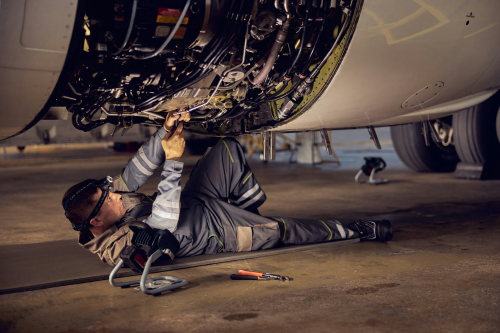
In the high-stakes world of aviation, fleet reliability is directly synonymous with passenger safety, operational efficiency, and financial health. Every smooth takeoff and landing is anchored by a complex, highly disciplined system operating behind hangar doors. Because modern commercial aircraft endure significant environmental and physical stress during each flight, a proactive, multi-tiered maintenance strategy is essential to minimize unscheduled downtime and eliminate potential failures before they arise. By adopting industry best practices, operators can uphold the highest standards of airworthiness, optimize fuel efficiency, and protect passengers and crew. Here are the foundational practices that keep aircraft fleets safe, dependable, and flight-ready.
1. Strict Adherence to Scheduled Maintenance
The bedrock of fleet reliability lies in meticulous compliance with manufacturer-recommended schedules and regulatory standards set by authorities like the FAA and EASA. Maintenance programs follow strict intervals defined by flight hours, cycles, or time elapsed. Routine line maintenance involves daily or overnight pre-flight checks—verifying fluid levels, tire pressures, and basic system parameters—to ensure immediate airworthiness. Deeper weekly and monthly checks evaluate complex avionics and hydraulic systems, while comprehensive base maintenance or C-checks require technicians to ground the aircraft for weeks, dismantling major structural components for exhaustive inspection. This disciplined approach catches minor faults before they cause costly delays or compromise flight safety.
2. Proactive Preventive Maintenance and Condition Monitoring
Transitioning from reactive corrections to preventive maintenance is critical for minimizing unexpected groundings. Preventive care involves lubricating moving parts, replacing filters, and inspecting airframes for micro-fractures or stress cracks before components fail. Modern operators enhance this strategy via condition-based monitoring, using sophisticated sensors and data analytics to track real-time health metrics. For instance, digital pressure gauges provide precise, live data on hydraulic and fuel systems. Analyzing these performance trends allows maintenance crews to anticipate mechanical anomalies and schedule repairs proactively during non-peak hours, ensuring maximum operational availability across the entire fleet.
3. Advanced Component Preservation and Repair Techniques
Safeguarding assets while an aircraft is parked on the ground prevents premature degradation caused by moisture, dust, and temperature swings. Utilizing specialized protective covers, plugs, and custom bellows shields sensitive moving mechanisms from contaminants without restricting essential motion. When structural wear does occur, leveraging advanced restoration technologies is far superior to immediate, costly component replacement. Modern aerospace facilities utilize laser cladding to precisely deposit high-quality alloys onto worn turbine blades or engine parts, restoring original dimensions and mechanical performance qualities. Combining these high-precision repairs with corrosion-control coatings significantly extends part service lives and protects valuable assets.
4. Precision Avionics Calibration and Fluid Analysis
Avionics systems and engines are the vital core of safe operations. Regular calibration ensures that navigation, communication, and flight control instruments deliver entirely accurate readings, which is vital when pilots encounter challenging weather conditions. Concurrently, detailed fluid analysis serves as a highly effective early warning system for internal mechanical health. By checking oil and hydraulic fluid samples for microscopic contaminants or metal shavings, maintenance teams can identify component wear deep within an engine or landing gear long before visible symptoms emerge, preventing catastrophic in-flight failures and expensive emergency repairs.
5. Meticulous Documentation and Continuous Training
A robust maintenance program depends entirely on accurate record-keeping and highly skilled personnel. Every inspection, repair, and system modification must be thoroughly documented to demonstrate regulatory compliance and build a transparent historical database for future troubleshooting. Digital maintenance logs have modernized this process, improving data tracking across global fleets. Furthermore, since human error remains a major contributor to incidents, continuous training on manufacturer maintenance manuals is vital. Cultivating a culture of strict procedural adherence and personal accountability ensures that critical tasks are always double-checked.
Cultivating Fleet Excellence
Maximizing fleet reliability is an ongoing commitment to discipline, technology, and foresight. Blending structured scheduled inspections, data-driven monitoring, and advanced component preservation ensures that airlines achieve optimal efficiency and lower long-term ownership costs. Ultimately, comprehensive maintenance protects an operator’s most valuable assets: the aircraft, the crew, and the passengers, ensuring every journey is a safe one.