
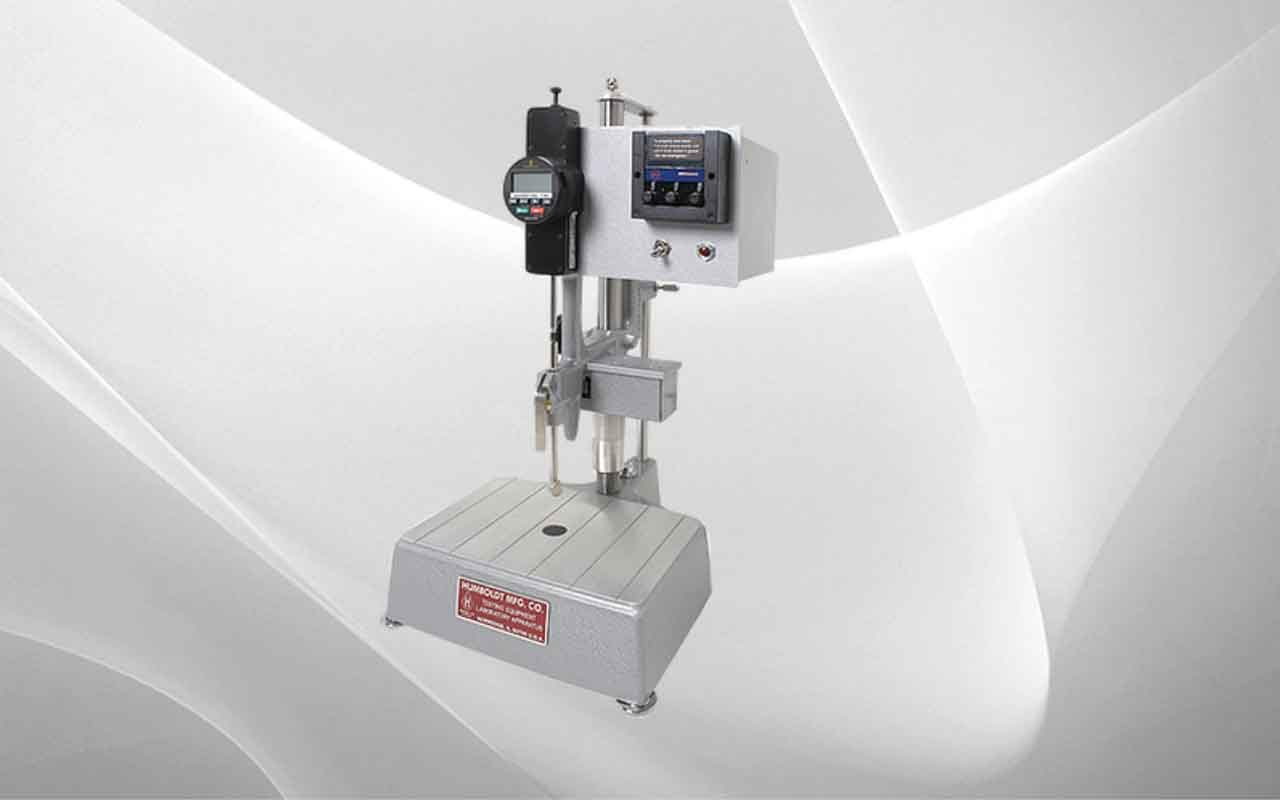
Certain materials cannot be adequately characterized by appearance alone. Their consistency, hardness, or resistance to penetration may provide important information about quality and performance. A humboldt penetrometer provides a controlled method for measuring penetration under defined test conditions, allowing laboratories to replace subjective descriptions with repeatable numerical results.
What Does a Penetrometer Measure?
Penetration testing evaluates how far a specified needle, cone, or other penetrating component enters a prepared sample under controlled conditions.
The applied load, test duration, sample temperature, and penetrating component depend on the relevant method.
A humboldt penetrometer helps laboratories maintain these controlled conditions so different samples can be compared more reliably.
Why Consistency Testing Matters
Materials that appear similar may behave differently during handling or application. Penetration measurements can reveal differences that visual inspection cannot quantify.
For quality-control laboratories, this information can help verify batch consistency and identify changes in formulation, processing, storage, or raw materials.
Creating Objective Specifications
Terms such as soft, firm, or hard are subjective. Different operators may interpret them differently.
A humboldt penetrometer generates measurable penetration values that can be incorporated into laboratory specifications. Objective limits make acceptance decisions clearer and easier to document.
Temperature Can Influence Results
Many materials change consistency significantly with temperature. Even a relatively small temperature difference can affect penetration behavior.
Samples should therefore be conditioned according to the applicable method before testing.
The humboldt penetrometer and sample environment should support the temperature requirements of the procedure being followed.
Give Samples Enough Conditioning Time
Checking only the surface temperature may not be sufficient for some materials. The entire sample may need time to reach equilibrium.
Laboratories should define conditioning times and follow them consistently to improve comparability between tests.
Sample Preparation and Container Selection
Sample preparation can influence penetration results. Air pockets, uneven surfaces, contamination, or inappropriate sample depth may interfere with the measurement.
Technicians should prepare samples carefully and use suitable containers.
The penetrating component should also begin from the correct position relative to the sample surface.
Timing and Positioning
Penetration methods often specify a particular duration. Consistent timing is therefore essential.
Positioning matters as well. Tests taken too close to container walls or previous penetration points may not represent the bulk sample accurately.
A standardized procedure for using the humboldt penetrometer should identify suitable measurement locations.
Clean the Penetrating Component
Residue on a needle or cone can change its geometry and surface characteristics. Cleaning between measurements helps maintain consistent test conditions.
Operators should inspect components for damage or wear because physical changes can affect penetration behavior.
Applications in Quality Control
Penetration testing can support evaluation of semi-solid, viscous, or consistency-sensitive materials.
Laboratories may use a humboldt penetrometer during incoming inspection, formulation development, production monitoring, finished-material testing, or stability studies.
Comparing penetration data over time can also reveal gradual changes during storage.
Verification and Maintenance
Routine checks help ensure that the instrument continues to perform correctly.
Laboratories should inspect moving components, timing functions, weights, penetrating accessories, and other relevant parts according to established procedures.
Maintenance records create useful evidence that equipment remains under control.
Training Makes a Difference
Although penetration testing may appear straightforward, small procedural differences can create noticeable variation.
Operators should receive training in sample conditioning, surface preparation, positioning, timing, cleaning, and result recording.
A humboldt penetrometer produces its most useful data when every technician follows the same method.
Conclusion
Penetration testing provides laboratories with an objective way to evaluate material consistency under controlled conditions. A humboldt penetrometer can support repeatable measurements when temperature, sample preparation, timing, positioning, and equipment condition are carefully managed. By standardizing these variables, laboratories can create meaningful data for quality control, product comparison, development, and long-term consistency monitoring.

