
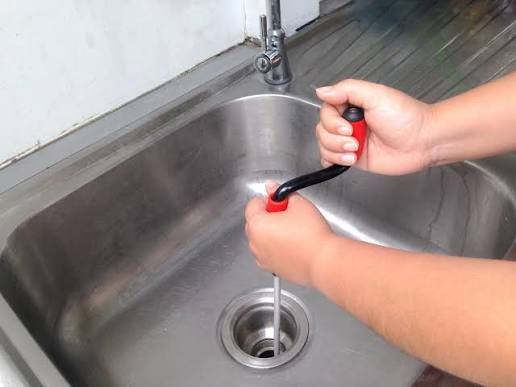
Slow sinks, unpleasant smells, and water that refuses to disappear are more than everyday annoyances. They often indicate buildup developing inside your plumbing system. Regular drain cleaning helps remove accumulated debris, keeps wastewater moving efficiently, and reduces the likelihood of disruptive blockages. Paying attention to drains before they become completely clogged can make household plumbing easier to manage and help prevent avoidable problems.
Why Clean Drains Matter
Every drain carries wastewater away from your home, but that water rarely travels alone. Kitchen drains collect grease, food particles, soap, and other residue. Bathroom pipes commonly accumulate hair, soap film, toothpaste, and personal-care products.
Over time, these materials can cling to the inner walls of a pipe. The opening gradually becomes narrower, restricting water flow. Eventually, a partial obstruction may develop into a stubborn blockage.
Routine drain cleaning tackles buildup before it reaches that stage. Clear pipes also help reduce stagnant water and the unpleasant odors associated with trapped organic material.
Common Warning Signs of Drain Problems
A plumbing issue does not always begin with a completely blocked sink. In many cases, your drains provide several early warnings.
Water Drains More Slowly Than Usual
Slow drainage is one of the easiest symptoms to notice. A sink or bathtub may still empty, but it takes noticeably longer. This often suggests that residue is restricting the pipe.
Ignoring slow drainage can allow additional material to collect around the existing buildup.
Unpleasant Odors Appear
Persistent odors coming from a drain can indicate trapped debris. Food particles and other organic matter may settle inside pipes and begin producing unpleasant smells.
Cleaning the affected drainage line can address the material rather than simply masking the odor.
Gurgling Sounds Develop
Unusual bubbling or gurgling noises can occur when air struggles to move through a restricted drainage system. Occasional sounds are not necessarily serious, but recurring noises deserve attention, particularly when accompanied by slow drainage.
What Causes Household Drain Blockages?
Understanding the source of clogs makes prevention easier.
In kitchens, cooking grease is a frequent problem. Although warm grease may look liquid when it enters the sink, it can cool and stick to the inside of pipes. Food particles then attach to this layer, making the obstruction progressively larger.
Bathrooms face different challenges. Hair combines easily with soap residue and can form dense clumps. Over time, these materials reduce the space available for wastewater.
Other items can create problems as well. Objects and materials that do not break down readily should never be treated as suitable for drainage systems.
Professional Attention for Persistent Problems
Minor drainage issues sometimes appear manageable, but recurring clogs can indicate buildup farther inside the plumbing system. Repeatedly clearing only the material near the drain opening may provide temporary relief without resolving the underlying restriction.
A local drain specialist can evaluate persistent drainage symptoms and determine where an obstruction is developing. Identifying the source is particularly useful when several fixtures begin draining slowly at the same time.
Professional drain cleaning can target accumulated material throughout the affected section rather than concentrating solely on the visible opening.
How to Reduce Future Drain Buildup
Prevention starts with everyday habits. Avoid pouring cooking fats and grease into kitchen sinks. Scrape leftover food into appropriate waste containers before washing dishes, and use drain screens where practical to catch larger particles.
In bathrooms, removing visible hair from drain covers can prevent much of it from entering the pipe. Regularly checking how quickly sinks, showers, and tubs empty can also reveal changes before they become major inconveniences.
Pay Attention to Recurring Symptoms
A drain that becomes slow repeatedly should not be treated as an isolated incident every time. Recurring symptoms may indicate that material remains deeper inside the drainage line.
Keeping track of which fixtures are affected can provide useful clues. One slow sink may indicate a localized restriction, while several affected fixtures can point to a broader drainage concern.
Conclusion
Healthy drainage depends on clear pipes and responsible everyday use. Recognizing slow water flow, odors, recurring clogs, and unusual noises early can prevent a minor inconvenience from developing into a more disruptive plumbing problem. Thoughtful prevention combined with timely drain cleaning keeps wastewater moving efficiently and helps household plumbing remain dependable for the long term.