
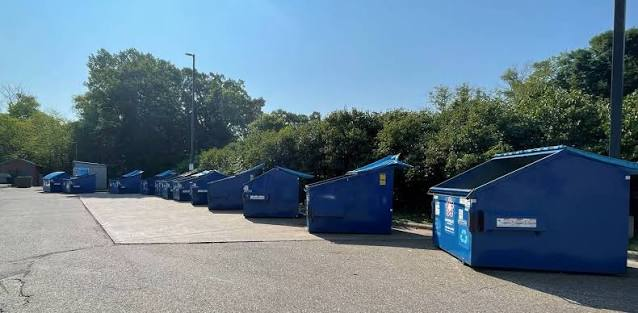
When recyclable materials begin filling a garage, work area, or storage space, convenience becomes important. Searching for a recycling drop off near me can help identify a practical destination while encouraging better habits around sorting and material recovery.
Yet location is only part of the equation. A successful recycling trip also depends on preparation, clean material separation, safe transportation, and knowing what your chosen destination can handle.
Begin With a Home or Site Recycling Audit
Before loading your vehicle, look at what has accumulated.
You may find cardboard from deliveries, wood from repairs, construction debris from renovations, or other potentially recyclable materials. Grouping similar materials together makes it easier to decide how they should be handled.
Ask Three Simple Questions
Is the material recyclable in your area? Is it clean enough to remain in a recyclable stream? Does it require special handling?
Answering these questions can prevent unsuitable items from being mixed into an otherwise useful load.
Convenience Encourages Consistency
Recycling habits are easier to maintain when the process fits naturally into daily life.
A distant or complicated disposal routine can encourage materials to accumulate. A practical local option makes it easier to incorporate drop-offs into existing errands or project schedules.
Knowing a local recycling facility can therefore be helpful when developing a repeatable waste-management routine.
Organize Materials for Transportation
Do not wait until you reach your destination to sort everything.
Flatten cardboard and group similar materials. Keep loose items contained and prevent smaller pieces from moving around during transportation.
For construction or renovation debris, heavier materials should be loaded carefully to maintain vehicle stability.
Avoid Mixing at the Last Minute
A neatly sorted recycling pile can quickly become contaminated when general garbage is added to the same load for convenience.
Maintain separation throughout the entire process, from collection to transportation.
Create a Dedicated Recycling Area
One reason recyclable materials end up in general waste is that people do not have an obvious place to put them.
Designate a section of the garage, workshop, utility area, or job site for recycling. Containers or clearly marked collection zones can make the system intuitive.
When recycling becomes the easiest choice, people are more likely to participate consistently.
Handle Project Waste Differently
Large projects require a slightly different strategy from everyday household recycling.
Renovations
Set up sorting zones before demolition begins. Identify likely waste streams such as wood, drywall, cardboard, and metal.
Property Cleanouts
Work through the property systematically. Separate reusable items first, recyclable materials second, and general waste last.
This prevents potentially recoverable materials from disappearing into a mixed pile.
Confirm Acceptance Before Travelling
Recycling requirements vary depending on material type and destination. An item that appears recyclable may require a particular processing method.
Checking current acceptance guidelines before leaving helps avoid unnecessary trips.
It is especially important when transporting unusual materials or large quantities from construction and renovation projects.
Make Recycling an Ongoing Practice
Do not think of recycling as a special activity reserved for major cleanouts.
Regular sorting keeps materials from accumulating and makes each trip more manageable. It also creates awareness about how much waste a household or project generates.
Over time, this awareness may reveal opportunities to reduce unnecessary packaging, reuse materials, or improve purchasing decisions.
Conclusion
Finding a convenient local recycling option can make responsible waste management considerably easier, but preparation remains essential.
Sorting materials at the source, keeping recyclable streams clean, organizing transportation, and confirming acceptance requirements can improve every trip. When these practices become routine, recycling feels less like an extra task and more like a normal part of managing materials responsibly.